Moving to Florida with dogs? Avoid these 4 hidden traps. Crucial Florida home buying tips pet owners need to know before signing anything.
Moving to Florida with dogs is exciting, but it also comes with hidden pitfalls that can turn your dream home into a nightmare. Many buyers focus on the obvious — square footage, bedroom count, school districts — and overlook the factors that specifically affect pet owners. If you're buying a home in Florida and you have dogs, here are four hidden dealbreakers you need to know about before you sign anything.
Dealbreaker #1: HOA Breed Restrictions
This is the number one trap for dog owners buying a home in Florida, and it catches more families off guard than any other issue.
The Problem: Many homeowners' associations (HOAs) in Florida have breed restrictions that prohibit certain dog breeds. The breeds most commonly restricted include Pit Bulls, Rottweilers, Dobermans, German Shepherds, Mastiffs, and sometimes even mixed breeds that resemble these dogs. Some HOAs also have weight limits — typically 25 or 50 pounds — that effectively ban larger dogs.
Why It's Hidden: HOA documents are long, dense, and rarely read in full before closing. Breed restrictions are often buried in the community's Covenants, Conditions, and Restrictions (CC&Rs), which may not be provided until after your offer is accepted — and sometimes not until you're well into the due diligence period.
What to Do: Before making an offer on any home in an HOA community, request the CC&Rs and pet policy. Read them carefully. If you have a restricted breed (or a dog that could be mistaken for one), cross that community off your list. Non-HOA communities, or HOA communities without breed restrictions, are your safest bet.
The Good News: Many communities in South Shore Florida — including newer developments like Mira Lago in Ruskin — do not have breed restrictions. These communities welcome all dogs, regardless of breed or size. For a family with a larger dog or a restricted breed, finding a community without these restrictions is essential.
Dealbreaker #2: Inadequate Fencing or Yard Space
A home with a "backyard" sounds great — until you realize the yard is 10 feet deep, the fence is a low decorative border, or there's no fence at all.
The Problem: Dogs need space to run, and they need a secure fence to keep them safe. In Florida, where alligators, wildlife, and other dogs are real threats, a proper fence is essential. But many homes — especially newer construction — have small yards, decorative fences that don't contain dogs, or no fence at all.
Why It's Hidden: Listing photos often make small yards look larger than they are. And "fenced backyard" in a listing might mean a 3-foot decorative fence that a dog can jump over. Some sellers install cheap fencing just before listing to check the "fenced" box without making it functional.
What to Do: When viewing a home, measure the yard. Walk the fence line — check the height (4-6 feet is needed for most dogs), check for gaps under the fence (dogs dig), and check the gate latches. Ask whether the fence is the homeowner's or the HOA's (if it's the HOA's, you may not be able to modify it). If there's no fence or the fence is inadequate, factor in the cost of installing a proper one — which can run $3,000-$8,000+ depending on the yard size and materials.
The Good News: A 5 bedroom home with a large backyard — like those in Mira Lago — provides the space and flexibility to create a dog-friendly yard. Look for homes with at least 1/4 acre of usable backyard space and the ability to install or upgrade fencing to your specifications.
Dealbreaker #3: Proximity to Alligator-Prone Water
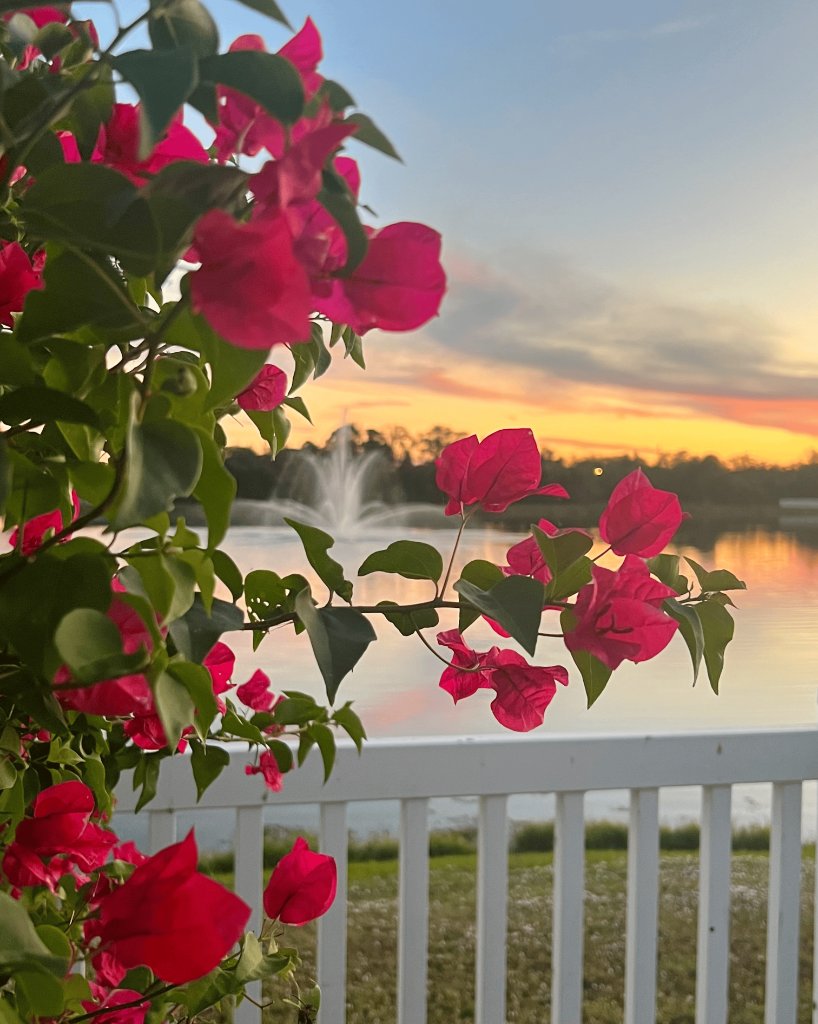
Florida is alligator country. These reptiles are present in virtually every body of fresh water in the state — including the retention ponds that are common features in many Florida subdivisions.
The Problem: If your home backs up to a pond, canal, or lake, your dogs are at risk. Alligators are opportunistic predators that will target small animals — including dogs — that come near the water's edge. Even large dogs can be attacked, especially during mating season (May-June) or when alligators are protecting nests.
Why It's Hidden: Waterfront property is often marketed as a premium feature. "Pond view" sounds lovely. No one tells you that the pond has a 6-foot alligator living in it. And retention ponds in Florida are required by law to hold stormwater — they're not recreational water features, even though they look like one.
What to Do: When viewing a home near water, ask specifically about alligators. Talk to neighbors. Check whether the pond has fencing or barriers between the yard and the water. In many gated communities like Mira Lago, retention ponds have fences or natural barriers that prevent direct access — but you should verify this. If the home backs directly onto unfenced water, think carefully about whether it's safe for your dogs.
Important: Never let your dog swim in or drink from a Florida pond or lake unless you've confirmed it's safe. Keep dogs on leash near water, especially at dawn and dusk.
Our Experience: Our home sits right next to a pond, and yes — we do see alligators. But our backyard is fully fenced, and in 10 years of living here, we haven't heard of or seen a single problem. The fence keeps our dogs and kids safely away from the water, and the alligators keep to themselves. Live and let live.
Dealbreaker #4: Flooring That Can't Handle Dogs
It sounds minor compared to alligators and breed restrictions, but bad flooring is one of the most common regrets among Florida dog owners who buy a home without thinking it through.
The Problem: Florida's climate means your dogs will track in sand, mud, and water. They'll shed. They'll have the occasional accident. Carpet absorbs all of this and becomes a magnet for odors, stains, and bacteria. Hardwood floors — especially softer woods — scratch easily under dog nails. And in Florida's humidity, hardwood can warp.
Why It's Hidden: When you tour a home, the floors are clean and the sellers may have just replaced the carpet to make the home show better. You don't see what the floors will look like after a month of two muddy dogs running in and out during Florida's rainy season.
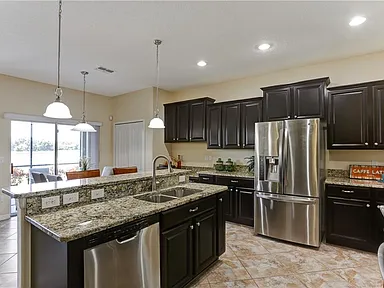
What to Do: Look for homes with tile or luxury vinyl plank (LVP) flooring in the main living areas. These materials are durable, waterproof, easy to clean, and cool underfoot. If a home has carpet throughout, factor in $5,000-$15,000 to replace it with tile or LVP. If it has hardwood, consider whether you're willing to deal with scratches and potential moisture damage — or budget for refinishing or replacement.
The Good News: Many newer 5 bedroom homes in South Shore communities come with tile or LVP in the main living areas, with carpet only in the bedrooms (where dogs typically don't track in as much dirt). This is an ideal setup for dog owners.
Bonus Tip: Check the HOA's Pet Count Limits
In addition to breed restrictions, some HOAs limit the number of pets you can have. Common limits are 2 or 3 pets per household. If you have more dogs than the HOA allows, you could face fines or be forced to rehome a pet — a devastating situation for any family. Always check the pet count limit before buying in an HOA community.
How to Protect Yourself
Here's a checklist for dog owners buying a home in Florida:
- Get the CC&Rs before making an offer. Read the pet policy. Check for breed restrictions, weight limits, and pet count limits.
- Walk the yard. Measure it. Check the fence height and condition. Look for gaps and weak spots.
- Assess the water. If the home is near a pond, canal, or lake, check for alligator barriers. Talk to neighbors about wildlife.
- Check the flooring. Look for tile or LVP in living areas. Budget for replacement if needed.
- Visit the community. Do you see other dog owners? Are there sidewalks? Is there a dog park nearby? A dog-friendly community is about more than the rules — it's about the culture.
The Bottom Line
Buying a home in Florida with dogs doesn't have to be a minefield — but it does require asking questions that non-pet owners don't need to ask. Breed restrictions, inadequate fencing, alligator-prone water, and inappropriate flooring are the four dealbreakers that catch dog owners by surprise. By checking for these issues before you buy, you can find a home where both your family and your dogs will be happy for years to come.
The right home is out there — a 5 bedroom house with a large fenced backyard, no breed restrictions, tile floors, and a community that welcomes dogs. They exist in South Shore Florida, and when you find one, you'll know your dogs found their forever home too.